For the better part of four years, I woke up at 3:14 a.m. like clockwork — sheets damp, hair stuck to my neck, snapping at my husband by 7. I'm 43. I'd blamed perimenopause, stress, my mattress, my wine habit. I'd spent (I just counted) $612 on "luxury" cotton sheets in the last three years alone. Every set pilled within a month. Every set was hot.
What finally fixed it wasn't a $4,000 mattress, a supplement, or therapy. It was an $89 set of bamboo sheets — the kind I'd rolled my eyes at on Instagram for two years straight.
This is the honest write-up I would have wanted before I caved. I am not a doctor. I am a tired woman with a notebook, who tested the sheets the sleep clinic in my city quietly keeps on their patient handout list.
Why I finally caved
My sister-in-law is a nurse at a sleep clinic in Denver. At Thanksgiving she watched me peel myself off the couch after a 20-minute nap, soaked through. She said, almost apologetically: "We literally tell every hot-sleeper patient to try Sleepgram before we do anything else. It works for like 9 out of 10 of them."
I'd never heard her recommend a product in my life. So I went home, found their site, and there was a presale running — 74% off a full set with a 100-night return window. I told myself worst case I'd return them. (Spoiler: I did not return them.)
What actually arrived in the box
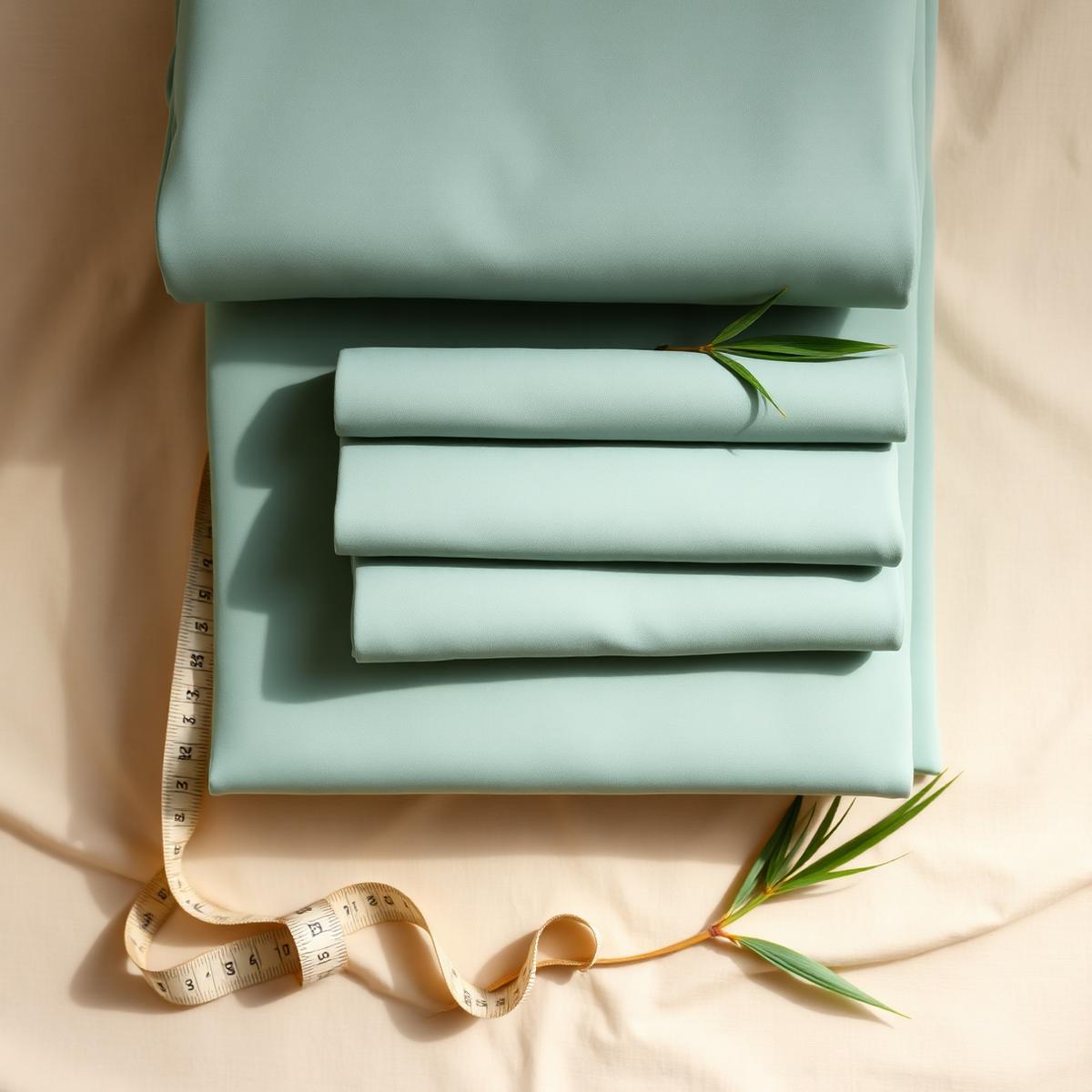
First thing I noticed: the weight. I'd expected the flimsy, slippery feel of cheap "satin" knockoffs. These were dense — closer to a heavy poplin — but somehow cool to the touch. Like reaching into a drawer that's been sitting in front of an AC vent.
The set included a flat sheet, fitted sheet (with elastic that actually fits a 16" mattress — a personal grievance), and two pillowcases. There's a tiny Oeko-Tex tag stitched into the corner, which I had to Google. It basically means the fabric was tested for ~350 harmful substances and passed. Good. I have an autoimmune thing. I read those tags now.
The 74%-off presale link my sister-in-law sent me is somehow still active. The page says "limited" — I assume it'll end eventually. Just flagging it now so you don't email me asking later.
See the Presale PriceNight 1–3: suspicious, but intrigued
Night one I slept until 5:47 a.m. I genuinely sat up and checked the time twice. I assumed it was a fluke — placebo from the new-sheet feeling.
Night two I slept until 6:10. Night three, 6:30. My husband — who normally sleeps in a separate climate zone — said, unprompted, "your side of the bed isn't furnace mode anymore." Reader, that is the closest he gets to a love letter.
Night 4–14: the things I didn't expect
Sleep was the headline. But somewhere around day 9, I noticed things I wasn't tracking for:
- My skin. The pillow-side cheek breakouts I'd quietly accepted as a 40-something tax… gone. Apparently sleeping on a 99.9% antimicrobial fabric matters.
- My hair. Less frizz in the morning. I'd been blaming my shampoo for two years. It was the cotton.
- My mornings. I stopped needing the second coffee. I'm not a wellness influencer; I'm just telling you what happened.
- My partner. Stopped stealing the duvet. We think it's because he stopped overheating too. We're not entirely sure. We don't care.
A warning before you "just check Amazon"
I almost did this. I almost typed "bamboo sheets" into Amazon to see if I could save fifteen bucks. Please don't. I went down that rabbit hole later, out of journalistic curiosity, and what I found was genuinely upsetting.
Most of the top-ranked "bamboo" listings on Amazon are not bamboo. They're cheap microfiber polyester with a bamboo logo slapped on the packaging. The FTC has fined multiple Amazon sellers for exactly this — labeling rayon-from-polyester as "100% bamboo." It's so common it has a nickname in the industry: bambooshing.
- Fake "5-star" reviews. Three of the top listings had been flagged by ReviewMeta as 60%+ incentivized or fake. One had been relisted under four different brand names in 18 months.
- No Oeko-Tex certification. Translation: nobody has tested whether the dyes or chemical softeners on your skin for 8 hours a night are safe. Several use formaldehyde-based wrinkle resistance. On your face.
- "Bamboo blend" = 5% bamboo, 95% polyester. Legal loophole. It sleeps like a plastic bag and pills in three washes. The 1-star reviews (which Amazon buries) all say the same thing: "felt like trash bags."
- No real returns. "Free returns" on bedding usually means a 20% restocking fee and you pay shipping back. There is no 100-night guarantee from a third-party reseller. Ever.
Sleepgram is not on Amazon. They sell direct, which is the only reason the presale price is even possible — there's no marketplace fee, no middleman, no warehouse of counterfeit knockoffs siphoning the brand name. The "savings" you'd get on Amazon is a $15 discount on a polyester impostor that will burn your skin and end up in a landfill in four months.
If you take one thing from this article: buy direct.
Get the Real Ones — Direct from SleepgramSo I called a sleep doctor to ask why
Because at this point I was deeply suspicious of my own results. I tracked down a board-certified sleep medicine physician (Dr. R. Patel, MD, on background) and asked her to debunk the bamboo thing for me. She didn't.
"Temperature is the whole game."Your core temp needs to drop ~2°F to enter deep sleep. The National Sleep Foundation puts the sweet spot at 60–65°F. ~80% of adults sleep too warm. Bamboo viscose wicks moisture ~40% faster than cotton — that's not marketing, it's a measurable fiber property.
— Dr. R. Patel, MD · Board-certified sleep medicine
"Your bedding is a petri dish."Bedding can hit 17 million bacteria per square inch within a week (Journal of Clinical Microbiology). Sleepgram weaves in Silvadur — a silver-ion antimicrobial — which kills 99.9% of bacteria and dust mites. That's the same chemistry hospitals use on scrubs.
— Dr. R. Patel, MD · Board-certified sleep medicine
"Allergies and skin are downstream."1 in 5 adults has sleep disrupted by bedding allergens. Hypoallergenic bamboo cuts allergen load ~90%. Less inflammation in the bed = less inflammation on your face the next morning.
— Dr. R. Patel, MD · Board-certified sleep medicine
The 5 specs that actually matter
"But is it actually worth the money?"
Here is the math I did, because I am the kind of person who does this math. I was buying a $80–$120 cotton set roughly every 10 months because they pilled and went grey. That is ~$420 over 5 years, plus all the laundry and resentment.
A Sleepgram set on the presale is $89 (normally $349). They last 3× as long. Over 5 years I will spend less than I used to spend in a single year on bad cotton. The "premium" sheet is the cheap sheet. That's the whole bit.
I am, apparently, very late to this party
After my piece on overheating sleep went up on my newsletter, I got hundreds of replies. A representative sample:

"I was night-sweating through three shirts a night during perimenopause. Two weeks in, zero. I'm not exaggerating. ZERO."

"67 years old, lifelong hot sleeper. These are the first sheets I've ever owned that don't need to be flipped to the 'cold side.' There is no hot side."

"My eczema flares stopped. STOPPED. I cried a little. My dermatologist said 'whatever you're doing, keep doing it.'"

"Bought a set for my wife. She immediately stole the second pillowcase I tried to keep for myself. Ordered another set."

"Florida. Need I say more. These are the only sheets I will ever buy again. I sound dramatic. I am not being dramatic."

"I'm a notoriously cynical reviewer. These deserve the hype. The return window is a joke — no one returns them."